

Internet Of Things Technology…
Internet of things technology, IoT is a system that is composed of several physical objects or items that are uniquely identifiable through their embedded computing devices, and that is provided with connectivity to each other and to the internet through the use of various communication technologies. IoT is an emerging technology that allows the connection of any device, object, or animal to the internet. IoT allows for the seamless transfer of data between connected devices, objects, and animals, which can be accessed by users through their computing devices.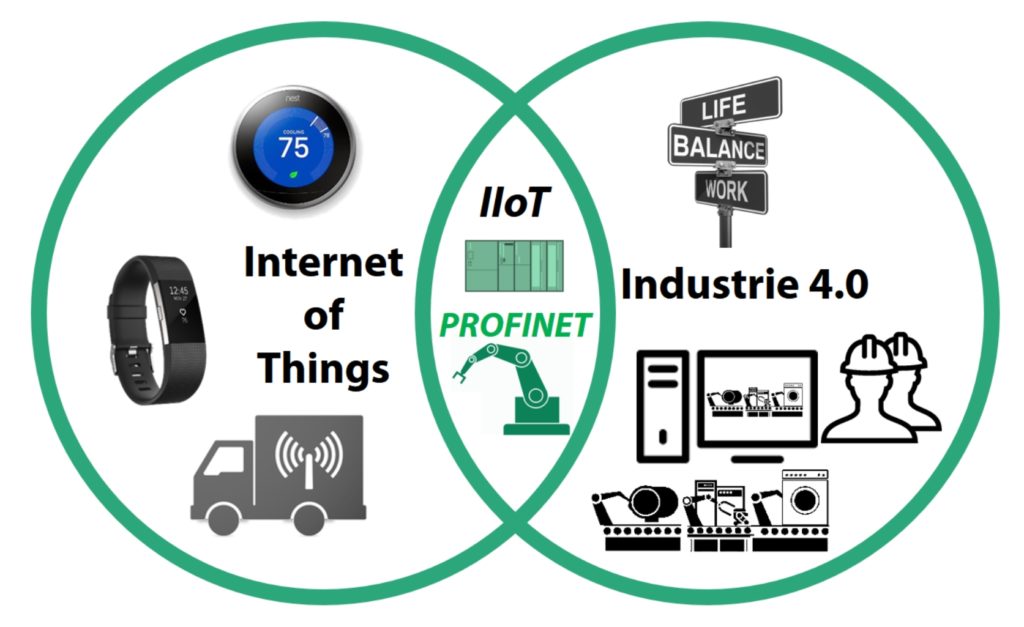
The internet of things is a natural extension of the internet, which is a global system of interconnected computer networks that can be accessed by a user through their computing device. The internet of things, however, allows for the transfer of data between devices, objects, and animals through the use of various communication technologies, such as the internet, wireless, infrared, short-range radio frequency, long-range radio frequency, local area network, and the like.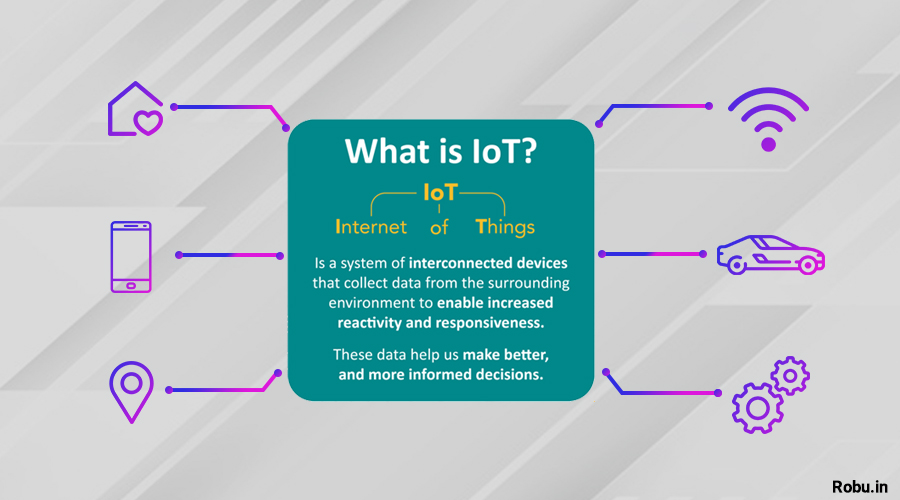
Equally important, IoT is creating new opportunities for our daily lives, ranging from connected homes to autonomous vehicles.
With IoT, the boundaries between our digital and physical lives are disappearing. But as with any emerging technology, there are many open questions about how IoT will evolve. Some of these questions include: How can we safely connect billions of devices? What is the impact of IoT on our privacy? How will IoT affect our daily lives? How can we make IoT work for everyone? As IoT becomes more widespread, we are entering a new era where devices are connected to the internet and data can be shared between people, processes, and things. This presents both opportunities and risks. To address these issues, IoT must be considered a disruptive technology.
In contrast to traditional networking, the IoT relies on the use of embedded, wireless devices to collect data and transmit it to the cloud for analysis. In the IoT, data are transmitted using devices such as Wi-Fi, Bluetooth, or ZigBee, and the cloud is responsible for storing and analyzing the data.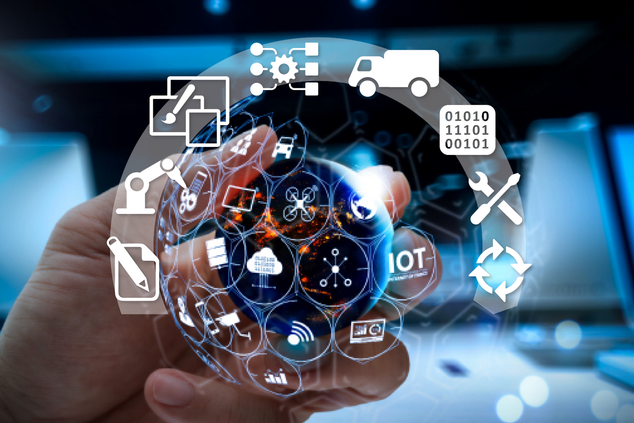
The first step to establishing an IoT network is to identify the data that will be collected and transmitted. The types of data collected can include temperature, light, humidity, noise, and even the sound of a baby crying. The second step is to identify the devices that will be used to collect and transmit the data. For example, the devices could be a temperature sensor, a light sensor, or a microphone. Finally, the last step is to determine the cloud service that will be used to store and analyze the data. This course will demonstrate the IoT by creating a sensor-enabled application.
For example, an estimated 2.9 million connected vehicles will generate $4.4 trillion in economic value by 2025. In the U.S. alone, IoT solutions will generate $1.1 trillion in economic value by 2025. For these reasons, it is important for organizations to have a strong understanding of IoT and how to implement IoT solutions.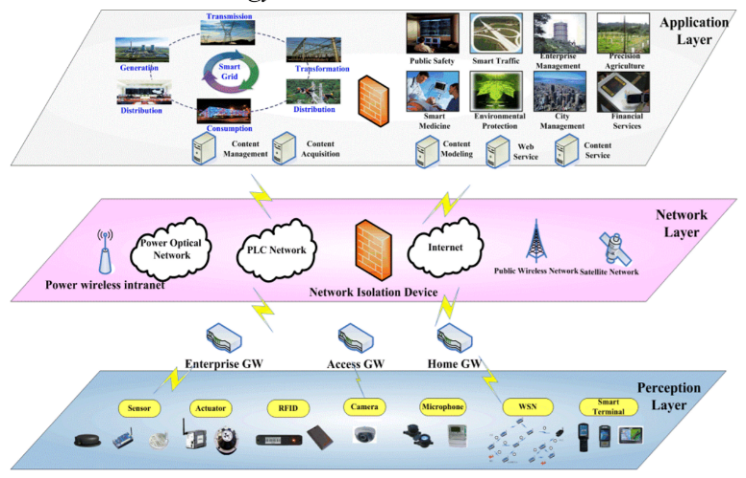
No matter how IoT is implemented, the implementation process should be user-friendly and open to all. Governments and private companies should be aware of the potential of the IoT and how it can be applied in their specific context.
Internet of things. IoT technology has been transforming the way we live, work, and play. Smart devices are connecting with each other to gather and exchange information, while the Internet of Things (IoT) is bringing these devices and sensors together to enable more efficient, safer, and cost-effective use of the physical world. The technology and expertise that underpin IoT and IoT-enabled devices are being developed by a global community of research scientists, engineers, and business leaders. The global IoT community is working together to help make this technology accessible and affordable for all.
Soon, people will be able to enjoy experiences that they would never have imagined in the past. Interacting with the physical world has been the main driver of human progress for centuries. Today, IoT applications are revolutionizing how people interact with the physical world, allowing them to perform complex tasks in a safe and efficient manner. Today, IoT applications are being used to provide a plethora of services and to improve our lives in many ways. In the near future, we will see IoT applications in use in every aspect of our daily lives. We will interact with our homes, vehicles, clothes, and our own bodies, as well as with the objects around us.
https://5.ibaxs.com/product-category/life-style/page/4/